A Proven Platform for Renewable Carbon
Woody biomass connects working forests to global markets through an established, scalable and integrated value chain. AWBA represents organizations operating across this full system — from sustainable forest management and sourcing, through processing and upgrading, to global deployment at industrial scale.

Over the past decade, the U.S. industrial wood pellet sector has demonstrated that woody biomass can be mobilized reliably and at scale from sustainably managed working forests.
Today, our members:
Operate
33 mills
across 11 states, producing approximately 10 million tons annually
Support more than
5,000
U.S. jobs
Deliver roughly
$2 billion
in annual exports
Ship globally through an established network of
9 port
terminals
Annual exports have grown
5X
since 2012, transitioning from an emerging sector to a mature industrial supply chain
Generates
~3GW
of renewable energy
These systems were built to meet the demands of utility-scale heat and power generation, requiring long-term contracting, consistent quality, and year-round reliability. That foundation now positions the industry to serve a broader set of markets seeking scalable renewable carbon solutions.
01
Forests & Sustainable Sourcing
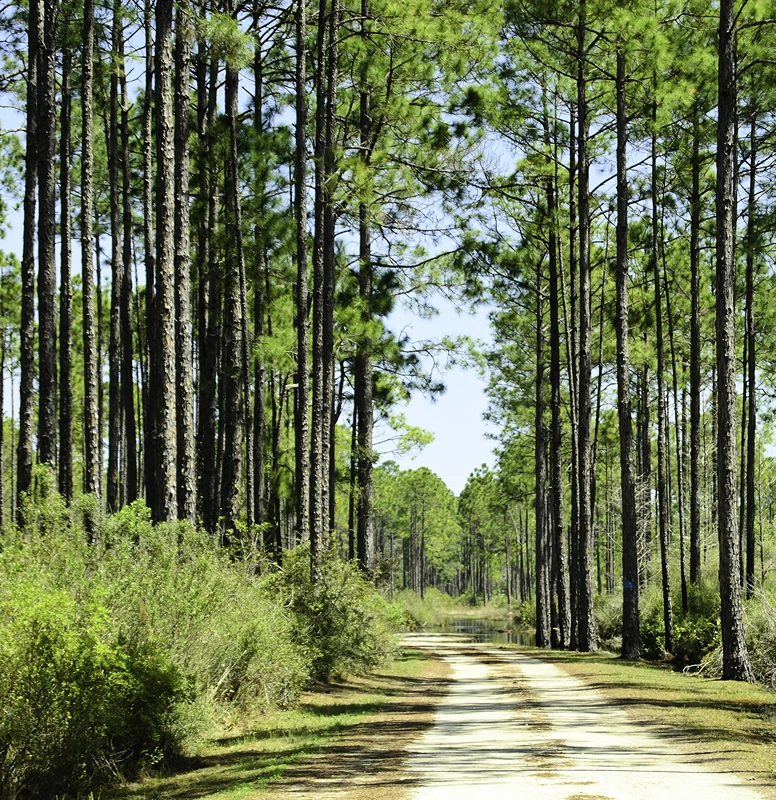
U.S. working forests are the foundation of the woody biomass value chain. Sustainable sourcing operates within established forest management and certification frameworks that ensure long-term forest health, productivity, and responsible stewardship.
Key realities underpinning sustainable sourcing include:
Approximately 86% of forestland in the U.S. Southeast is privately owned, with landowners relying on markets to support long-term management.
Biomass markets provide demand for low-grade wood, tops, limbs, and residues generated through routine forest management.
These materials are often byproducts of timber harvests and thinning activities that improve forest health.
Strong biomass markets help offset declines in pulp and paper demand, supporting landowners’ ability to keep forests as forests.
AWBA members operate within robust certification and auditing systems that ensure transparency, primary feedstock traceability, and compliance with global sustainability standards.
Independent verification and annual audits reinforce accountability across domestic and international markets.

02
Processing & Densification
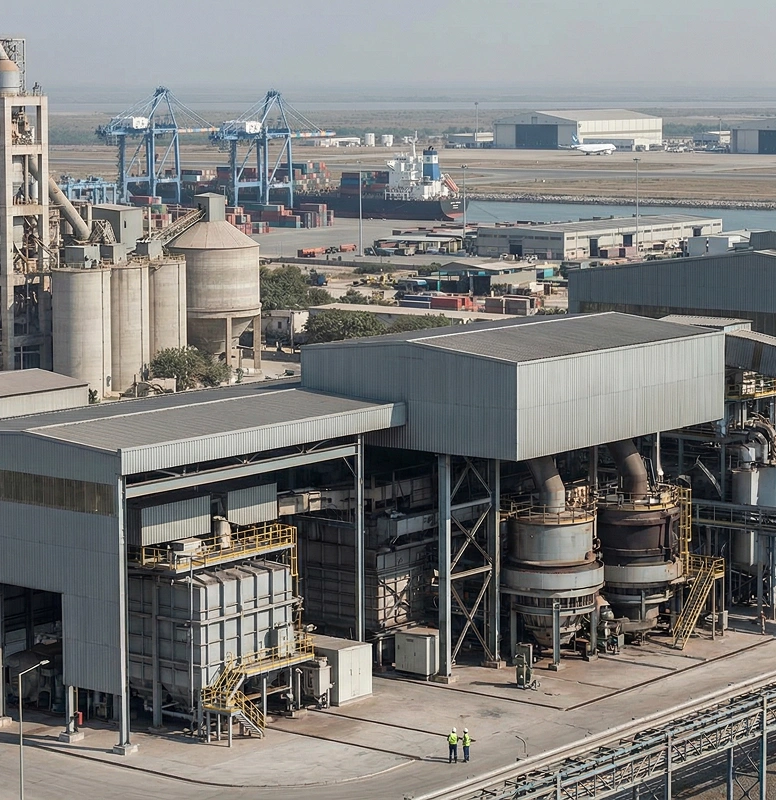
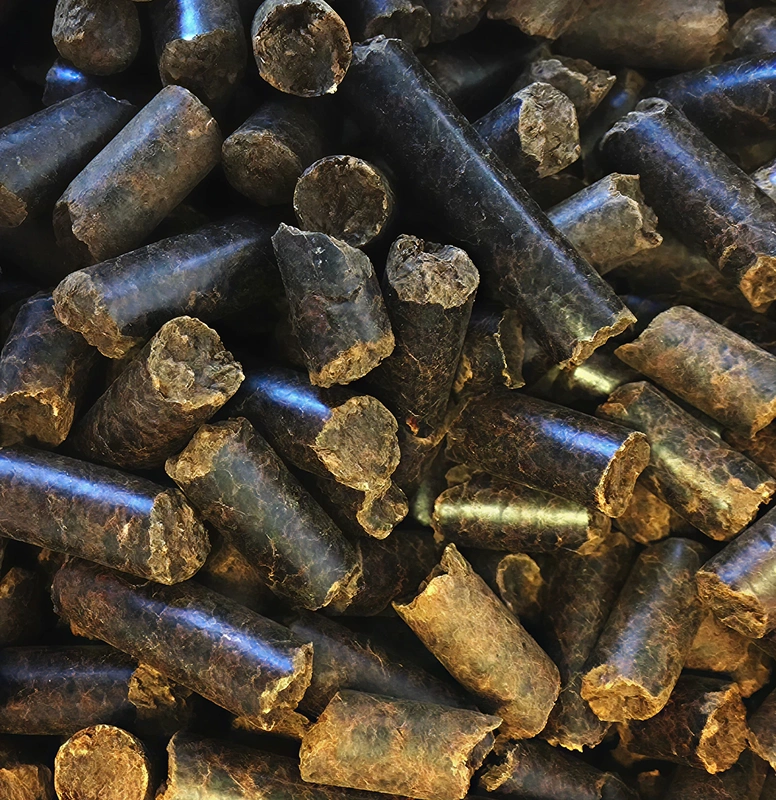
Processing and densification transform low-value forest material into standardized, high-performance products suitable for global trade and storage.
Through drying, sizing, and compression, woody biomass becomes:
Homogeneous.
Low-moisture.
High-net-calorific value.
Consistent in quality and performance.
Efficient to store, handle, and transport.
Available year-round through long-term supply agreements.
This step is essential to scaling woody biomass beyond local use, enabling reliable delivery to industrial users and international markets that require predictable inputs at volume.

03
Biocarbon & Thermal Upgrading
Woody biomass is increasingly being upgraded into even higher-value renewable carbon products. Thermal upgrading technologies, including torrefaction and steam treatment, improve energy density, stability, and performance characteristics.
Upgraded biomass products support a range of applications, including:
Sustainable aviation fuel and maritime fuels.
Renewable heat for steel, cement, lime, and other high-temperature industrial processes.
Firm, dispatchable energy for data centers and behind-the-meter power systems.
Carbon capture and storage pathways, including bioenergy with carbon capture and storage (BECCS).
Bio-based materials and chemicals that displace fossil-derived inputs.
This evolution reflects the industry’s shift from a single end use to a flexible renewable carbon platform.

04
Global Deployment
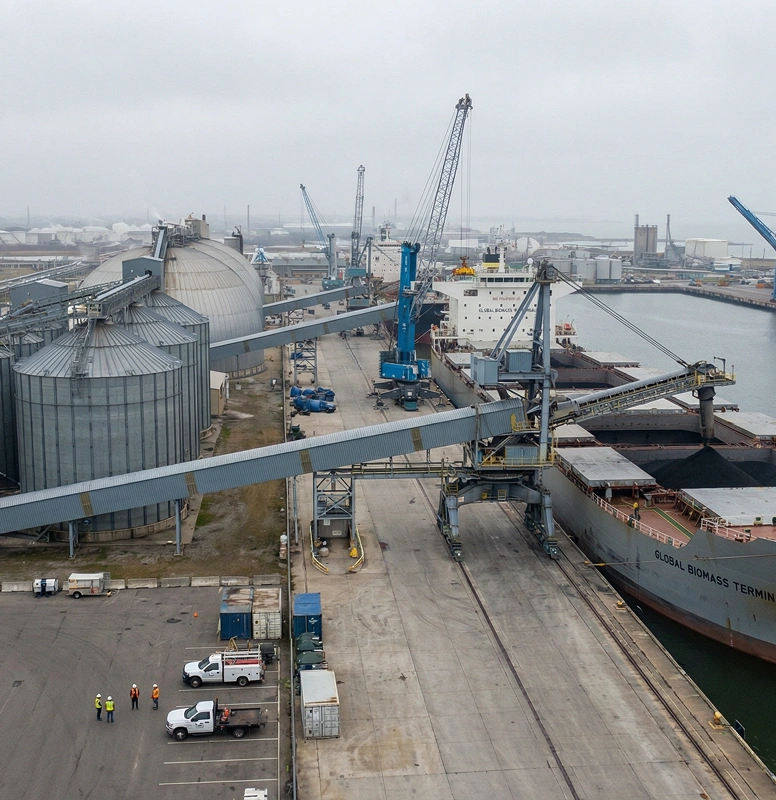
Woody biomass operates within global markets. US supply chains currently serve major international markets including the United Kingdom, Japan, the Netherlands, Denmark, France, Germany, and others, supported by long-term contracts and aligned with national renewable energy and climate frameworks.
Global deployment is enabled by:
Established export and port infrastructure.
Proven logistics and international shipping networks.
Long-term commercial and policy frameworks.
Internationally recgnized sustainability and certification systems.
This global reach allows renewable carbon from working forests to contribute meaningfully to emissions reductions and energy security efforts across regions and sectors.

05
Reliability, Scale & Track Record
Woody biomass is a proven, operating system with decades of cumulative experience.
Key attributes include:
Industrial-scale production and delivery.
Long-term contracting and financing structures.
Continuous operational improvement informed by real-world data.
Demonstrated ability to meet baseload and peak demand reliably.
While woody biomass currently represents a small portion of total U.S. wood fiber use, the sector has demonstrated the ability to deliver reliable climate and market outcomes at scale.
The U.S. Department of Energy estimates that an additional 63 million dry tons of forest biomass could be produced annually under sustainable management practices, supporting expanded markets while supporting forest stewardship and health.